Penicillin Resistant Streptococcus Pneumoniae . Pneumoniae is 1 to 2 dilutions higher than that of imipenem; Dagan r, yagupsky p, wasas a, klugman k. (PDF) Whole genome sequencing of penicillinresistant from www.researchgate.net There has been a steady decline in susceptibility of s. Pneumoniae is 1 to 2 dilutions higher than that of imipenem; Streptococcus pneumonia (s pneumonia) strains resistant to penicillin (prsp) is an infection caused by a particular strain (type) of bacteria (streptococcus) that is resistant to penicillin.
Resistance To Blood Flow. Resistance is a force that opposes the flow of a fluid. It is most commonly modeled using a modification of ohm’s law (figure 1).
PPT Cardiac Output, Blood Flow, and Blood Pressure from www.slideserve.com
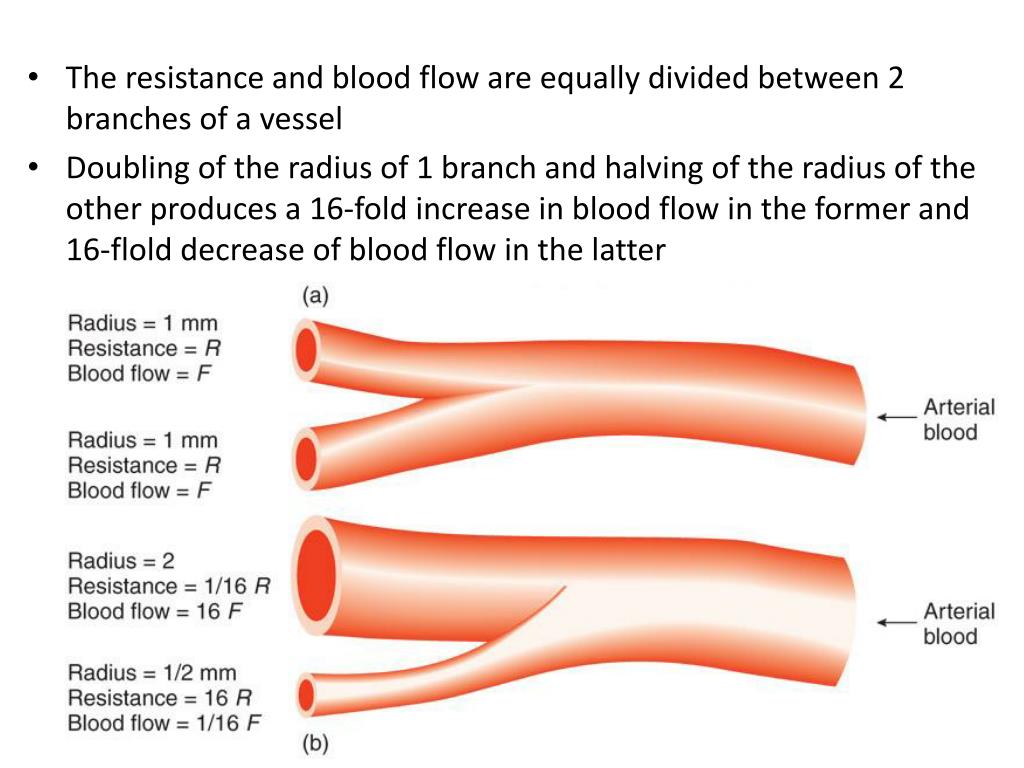
Pressure difference is the driving force for blood flow, and resistance is impediment to flow. Resistance to blood flow is a property dependent on the physical characteristics of a segment of vasculature and the blood flowing within it. As blood flows, it encounters various factors that resist flow and movement of blood, known as the vascular resistance.
Resistance = (Driving Pressure Δp) / (Flow Q) = (8Η)(Viscosity)(Length) / (Πr 4) Is Directly Proportional To Viscosity And Inversely Proportional To The Radius Of A Vessel Raised To The 4Th Power;
Very little pressure remains by the time blood leaves the. In the arterial system, as resistance. For a given vascular architecture, flow resistance is determined by the rheological behavior of blood flowing through
Resistance To Blood Flow Through Peripheral Vascular Beds Strongly Influences Cardiovascular Function And Transport To Tissue.
Resistance to blood flow within a vascular network is determined by the size of individual vessels (length and diameter), the organization of the vascular network (series and parallel arrangements), physical characteristics of the blood (viscosity, laminar flow versus turbulent flow), and extravascular mechanical forces acting upon the vasculature. In the arterial system, as resistance increases, blood pressure increases and flow decreases. Resistance is a force that opposes the flow of a fluid.
When Blood Vessels Constrict (Vasoconstriction) This Leads To An Increase In Svr.
Qualitatively, the resistance to blood flow is the difficulty of pushing blood through a section of blood vessel. Similarly, how does resistance affect blood flow? For a given vascular architecture, flow resistance is determined by the rheological behavior of blood flowing through microvessels.
Arterioles Account For Most Of The Total Peripheral Resistance In The Cardiovascular System;
Peripheral vascular resistance (systemic vascular resistance, svr) is the resistance in the circulatory system that is used to create blood pressure, the flow of blood and is also a component of cardiac function. The slowing or blocking of blood flow is called resistance. The variables affecting blood flow and blood pressure in the systemic circulation are cardiac output, compliance, blood volume, blood viscosity, and the length and diameter of the blood vessels.
In Blood Vessels, Most Of The Resistance Is Due To Vessel Diameter.
There are three primary factors that determine the resistance to blood flow within a single vessel: The slowing or blocking of blood flow is called resistance. The size of the aorta is the primary regulator of vascular elasticity, while sheath flow size is the secondary regulator of vascular resistance.


Comments
Post a Comment